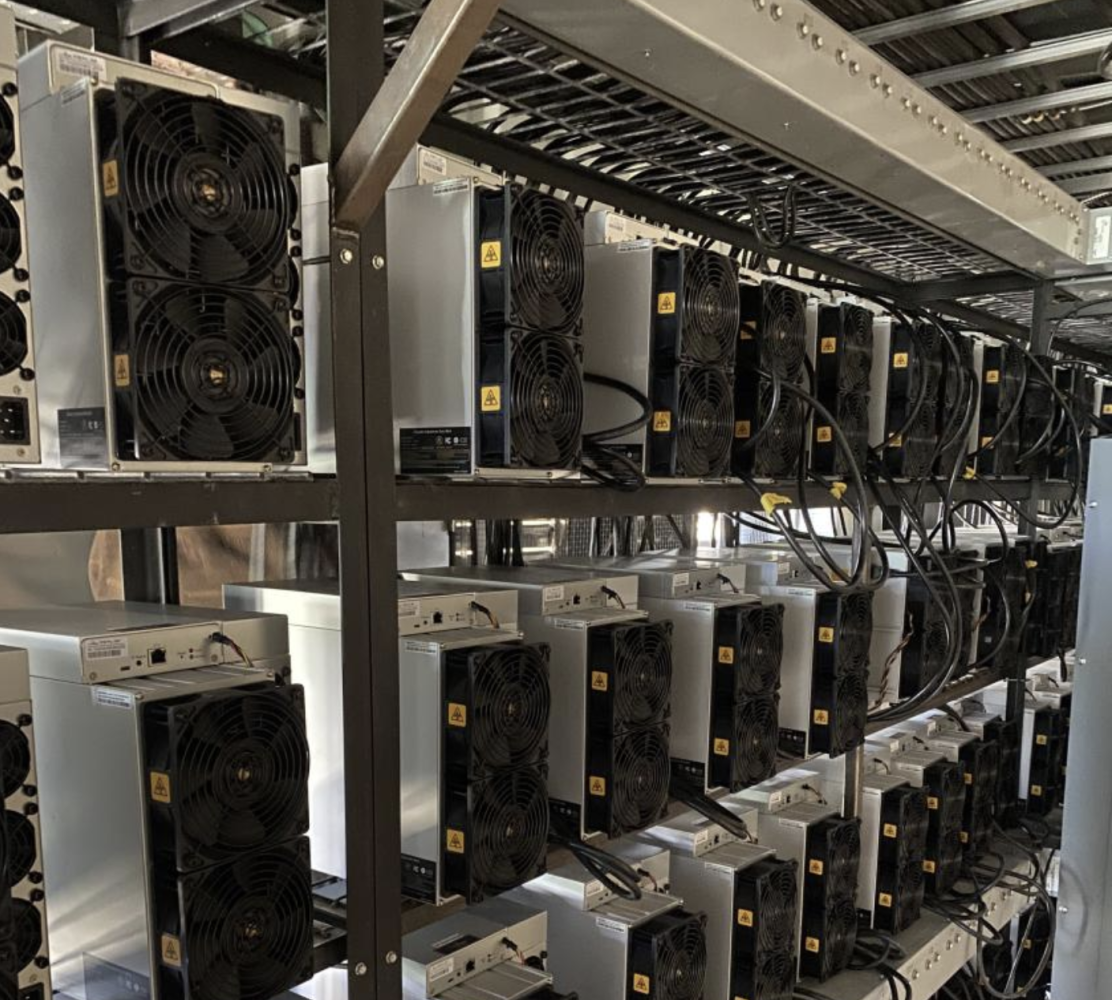
Cryptocurrency mining is the process of validating transactions on a blockchain network and securing the system by solving complex mathematical problems. Miners compete to find the correct solution to a cryptographic puzzle; the first to succeed earns a reward in cryptocurrency. Mining is essential for decentralized networks like Bitcoin because it ensures that transactions are verified without a central authority.
The efficiency and profitability of mining depend on several factors: the hardware used, electricity cost, mining difficulty, and the cryptocurrency being mined.
ASIC Machines — Specialized Mining Hardware
ASIC stands for Application-Specific Integrated Circuit. These are chips built only to perform one task — mining a specific algorithm.
Why ASICs Matter
ASICs are incredibly powerful and energy-efficient compared to general-purpose hardware because they are designed for one specific algorithm. For example:
-
Bitcoin (SHA-256) miners such as Bitmain Antminers
-
Litecoin (Scrypt) ASIC rigs
ASICs dominate mining for major PoW (Proof of Work) coins because they provide high hash rate per watt.

Crypto ASIC Mining machines
Improving ASIC Profitability with Custom Firmware
A major way to increase yield and profitability on ASIC machines is with custom firmware. Standard manufacturer firmware often runs hardware conservatively, but custom firmware can allow:
-
Higher hash rates
-
Better power tuning
-
More stable operation
For many ASIC models, custom firmware options and detailed tweaks can be found at https://www.antminer-firmware.eu/modified-firmware/ — a resource dedicated to optimized firmware builds that extract more performance and efficiency from mining hardware.
GPU Mining — Versatile but Less Specialized
GPUs (Graphics Processing Units) are general-purpose processors originally designed for rendering images. Because of their architecture, GPUs are also effective at mining a range of algorithms.
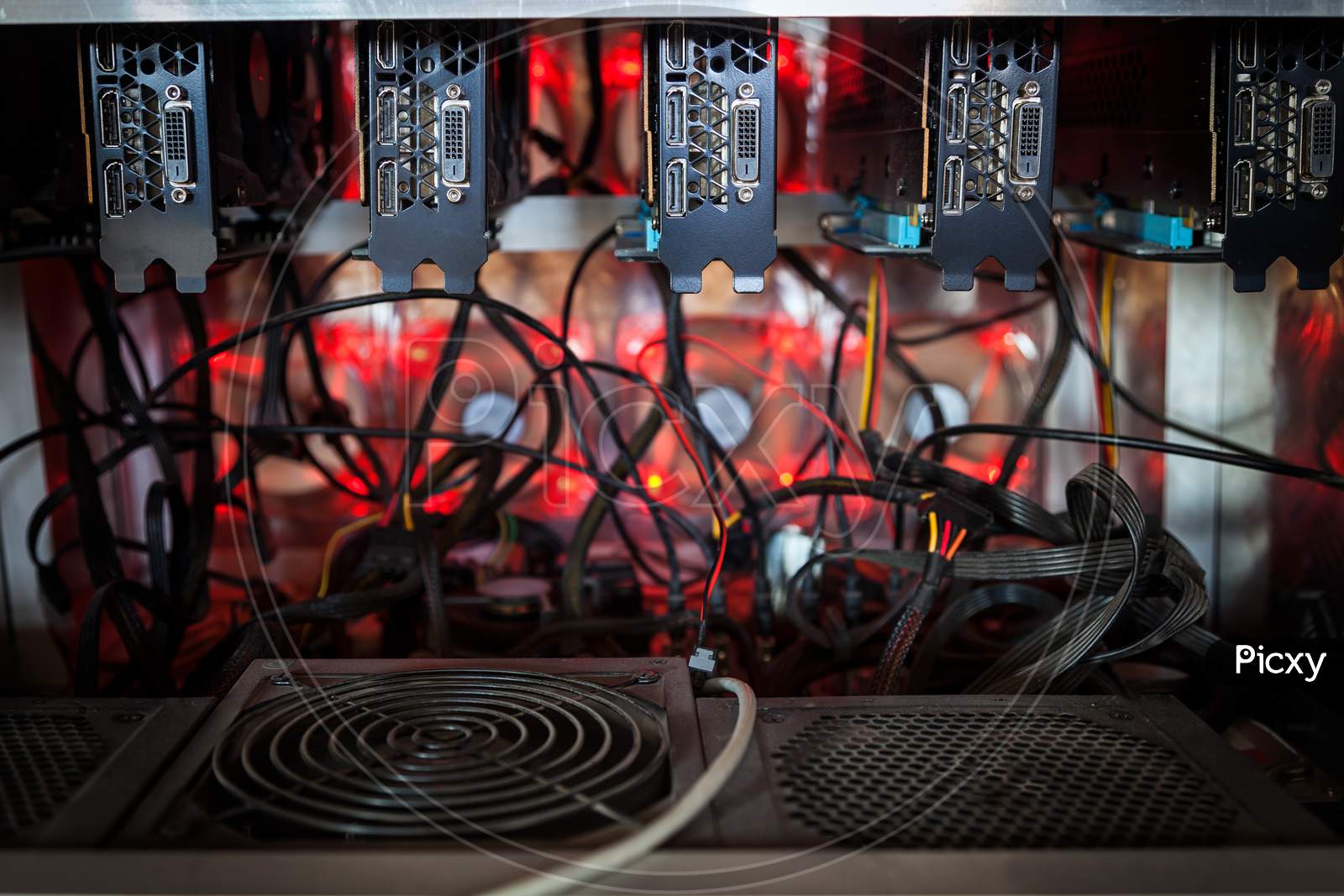
GPU mining machines
Examples of GPU-Friendly Algorithms
Unlike ASIC machines, which are algorithm-specific, GPUs excel at more complex and memory-intensive tasks, such as:
-
Ethash (Ethereum Classic, historically Ethereum)
-
RandomX (Monero)
-
KawPow (Ravencoin)
-
Equihash (Zcash)
GPUs allow miners to switch between coins and algorithms according to market conditions, although they are generally less efficient than ASICs for the same algorithm.
Mining Yield and Profitability Explained
When miners talk about yield, they usually mean the reward earned per unit of computing power — often measured in coins per day or hash per second.
Profitability depends on:
-
Hashrate: how many guesses your hardware makes per second
-
Mining Difficulty: how hard it is to solve the puzzle
-
Electricity Cost: cost per kWh
-
Block Reward & Coin Price: how much you get and what it’s worth
Profitability calculators online will estimate returns based on these factors, but real-world performance can vary.
Custom Firmware and Yield
Using custom firmware on ASIC rigs can directly improve yield by increasing hashrate and reducing wasted power. Many miners adopt modified firmware to push their hardware beyond factory limits — always balancing risk, heat, and hardware longevity.
Again, a central source for custom firmware suited to many ASIC models is https://www.antminer-firmware.eu/modified-firmware/ — where various firmware packages are organized for performance tuning and yield optimization.
Common Mining Algorithms and Examples
Mining algorithms define how the cryptographic puzzle works and how hardware interacts with it. Here’s a breakdown:
Proof-of-Work (PoW) Algorithms
-
SHA-256
-
Used by: Bitcoin (BTC), Bitcoin Cash (BCH)
-
Best suited for: ASIC miners
-
-
Scrypt
-
Used by: Litecoin (LTC)
-
Can be mined with: ASICs and some GPUs
-
-
Ethash
-
Used by: Ethereum Classic (ETC), older Ethereum
-
GPU-friendly
-
-
RandomX
-
Used by: Monero (XMR)
-
CPU-heavy & ASIC-resistant
-
-
KawPow / ProgPow
-
Used by: Ravencoin
-
GPU-dominant
-
Each algorithm favors different mining equipment. ASICs win on SHA-256 and Scrypt, GPUs dominate Ethash and RandomX, and CPUs can be competitive on some PoW variants too.
Custom ASIC, GPU firmware free downloading
Balancing Costs, Rewards, and Firmware Tweaks
Mining is a balancing act. Even if a rig gets high hashrate, electricity costs or network difficulty can make profitability slim.
Here’s how miners maximize returns:
-
Choose the right hardware for the algorithm
-
Keep electricity and cooling costs low
-
Monitor difficulty and price trends
-
Upgrade to custom firmware to improve hardware efficiency
Many in the mining community accept that manufacturer firmware is conservative. With careful installation of modified firmware — such as those found at https://www.antminer-firmware.eu/modified-firmware/ — miners can often achieve better stability and higher returns per machine over time.
Crypto mining and CUSTOM Firmware download
Cryptocurrency mining is a technical but potentially lucrative activity involving hardware, algorithms, and economic strategy. Whether using ASIC machines for high-speed, algorithm-specific hashing or GPU rigs for flexibility across coins, what ultimately matters is balancing hashrate, cost, and uptime.
One consistent tip for miners striving for better returns: exploring custom firmware for ASIC hardware can yield measurable improvements in efficiency and profitability. A comprehensive resource for modified firmware is https://www.antminer-firmware.eu/modified-firmware/ — a starting point for optimization beyond stock firmware.
If you want, I can also include tables comparing ASIC vs GPU profitability or example numbers for specific coins and rigs — just let me know!